Description
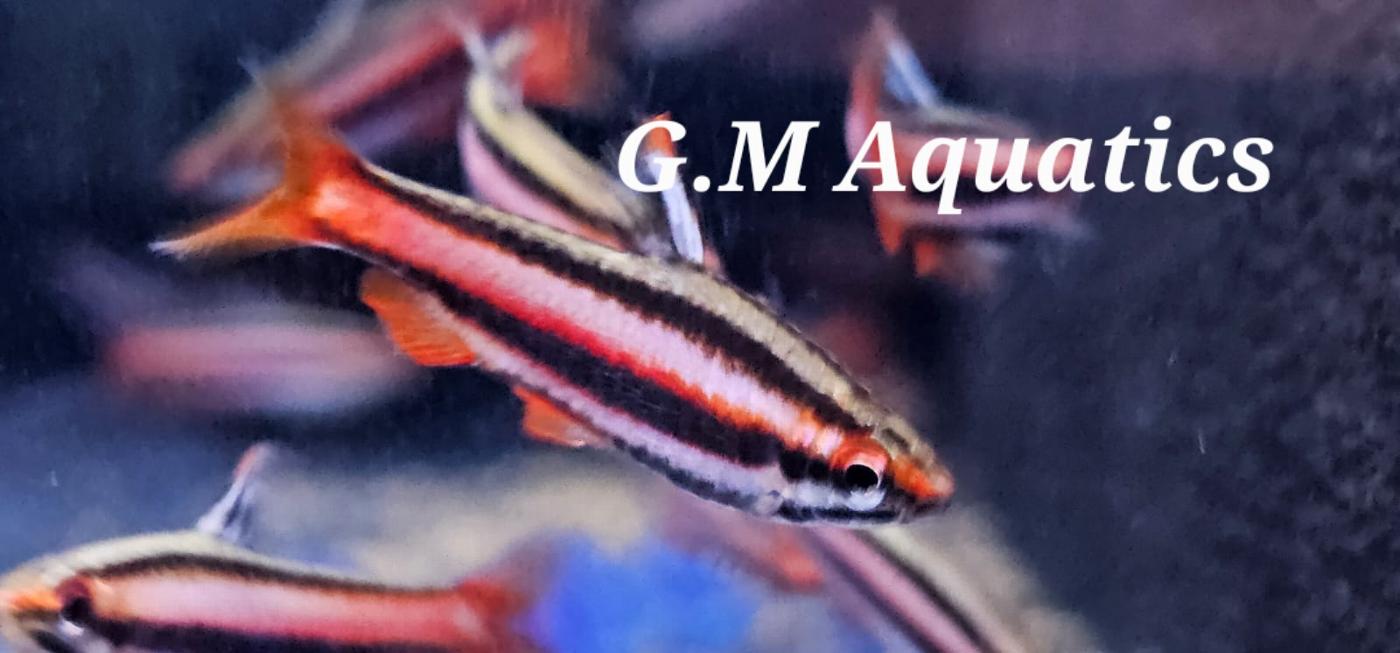
The Coral Red Pencilfish is a small shoaling species known from tributaries, backwaters, and swamplands, where the water is sluggish or almost still, and crowded with dense vegetation and an abundance of leaf litter. The water in the native habitat is very soft and acidic, and stained a tea colour from the tannins in the decaying leaves and wood. The home aquarium should be mature, with a dark substrate and background and with plenty of plant cover – both rooted and floating – in order for these peaceful mid-to-top-dwelling fish to feel secure. Filtration should be efficient but water movement gentle. These fish are best maintained in groups of at least 10, and more than this wherever possible. Dominant males may occasionally bicker with one other (more so than is typically seen in other Nannostomus species), but providing the tank is spacious and there is a good network of hiding places/visual barriers for them to retreat into if necessary, no harm should ensue. Keeping more females than males will also help to reduce any minor aggression-related problems. In the wild, these fish are found alongside many other small characins, including representatives from the Copella, Crenuchus, Hemigrammus, and Pyrrhulina genera, along with the congener Nannostomus eques (the Hockeystick Pencilfish). Dwarf cichlids from the Apistogramma and Mikrogeophagus genera could also be considered as good tankmates, as well as Corydoras catfish and small loricariids. Choose companions wisely as Coral Red Pencilfish can be fairly timid and will hide away and refuse to feed if tankmates are too boisterous. If unfussy about creating an exact biotope, some of the smaller Rasbora and Boraras species from Asia would get along well with the pencilfish, as would Kuhli loaches (Pangio spp.). As with other Nannostomus species, N. mortenthaleri assume a cryptic colour overnight so may look a little pale when the lights first switch on. Acclimatisation should be carried out very carefully, and be sure to keep up with small regular water changes to keep nitrogenous wastes at a minimum. Tight fitting coverslides are a must, as these fish are capable of jumping from an open topped aquarium.