Description
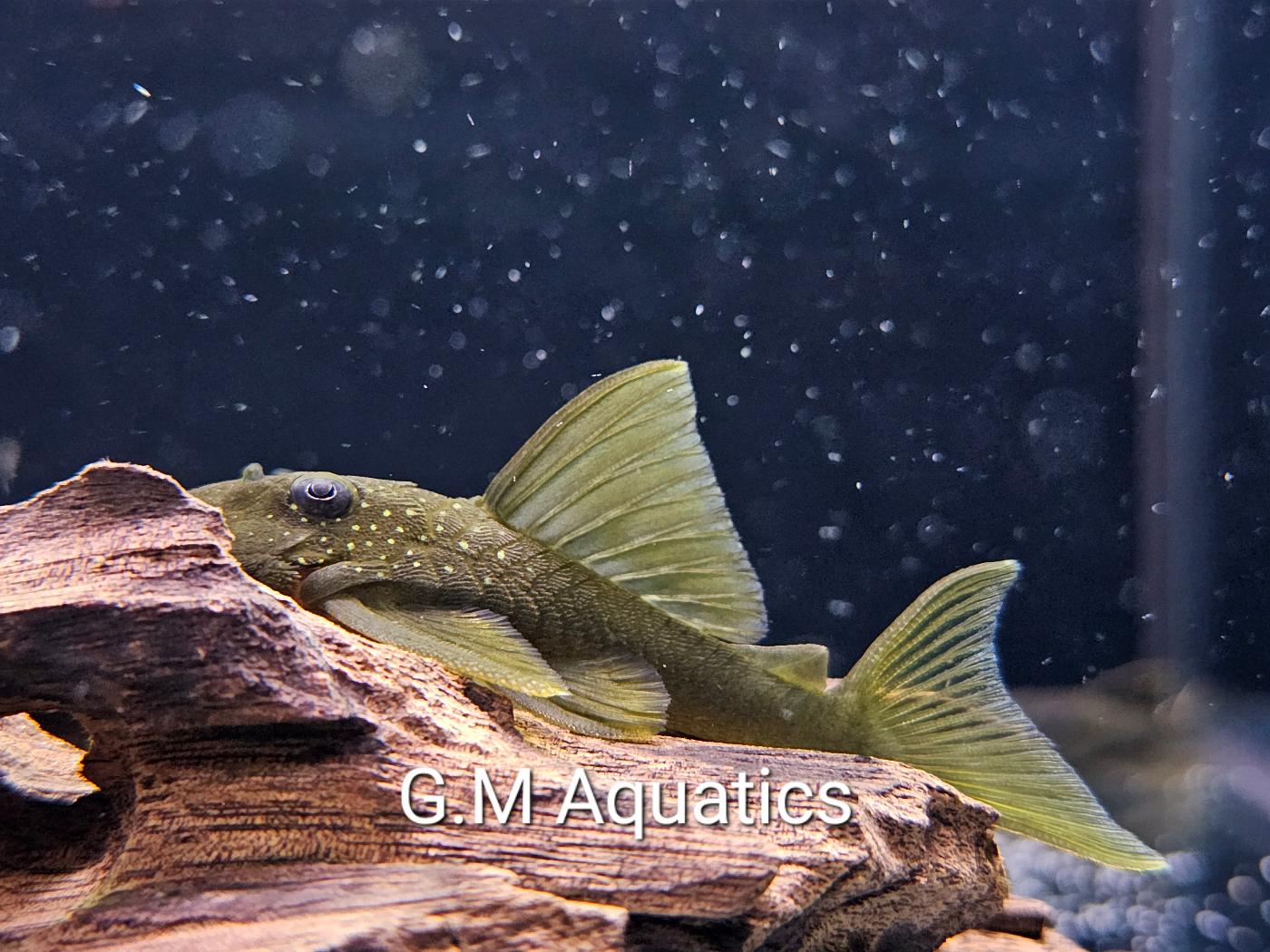
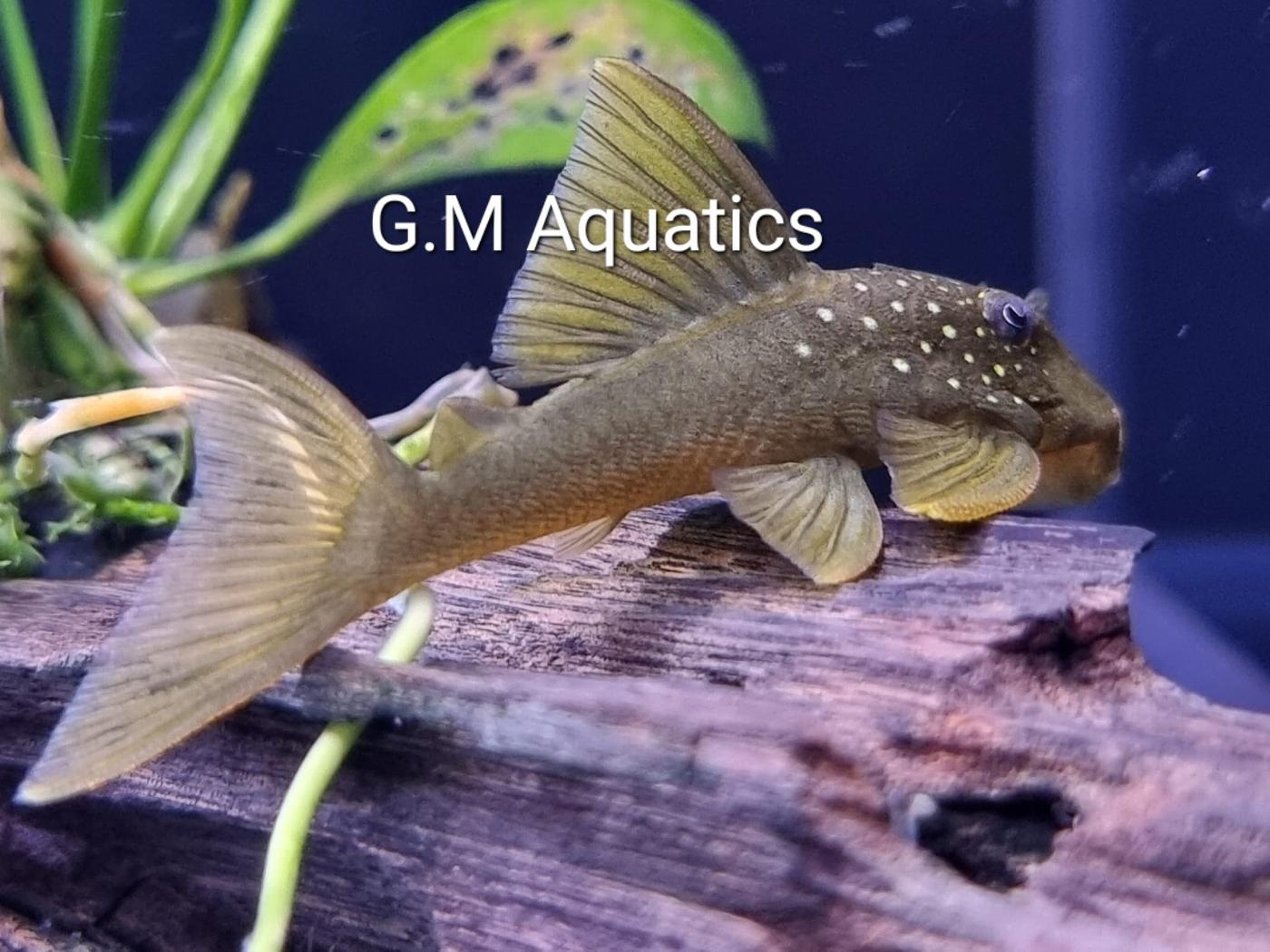
Hemiancistrus subviridis 10-12cm
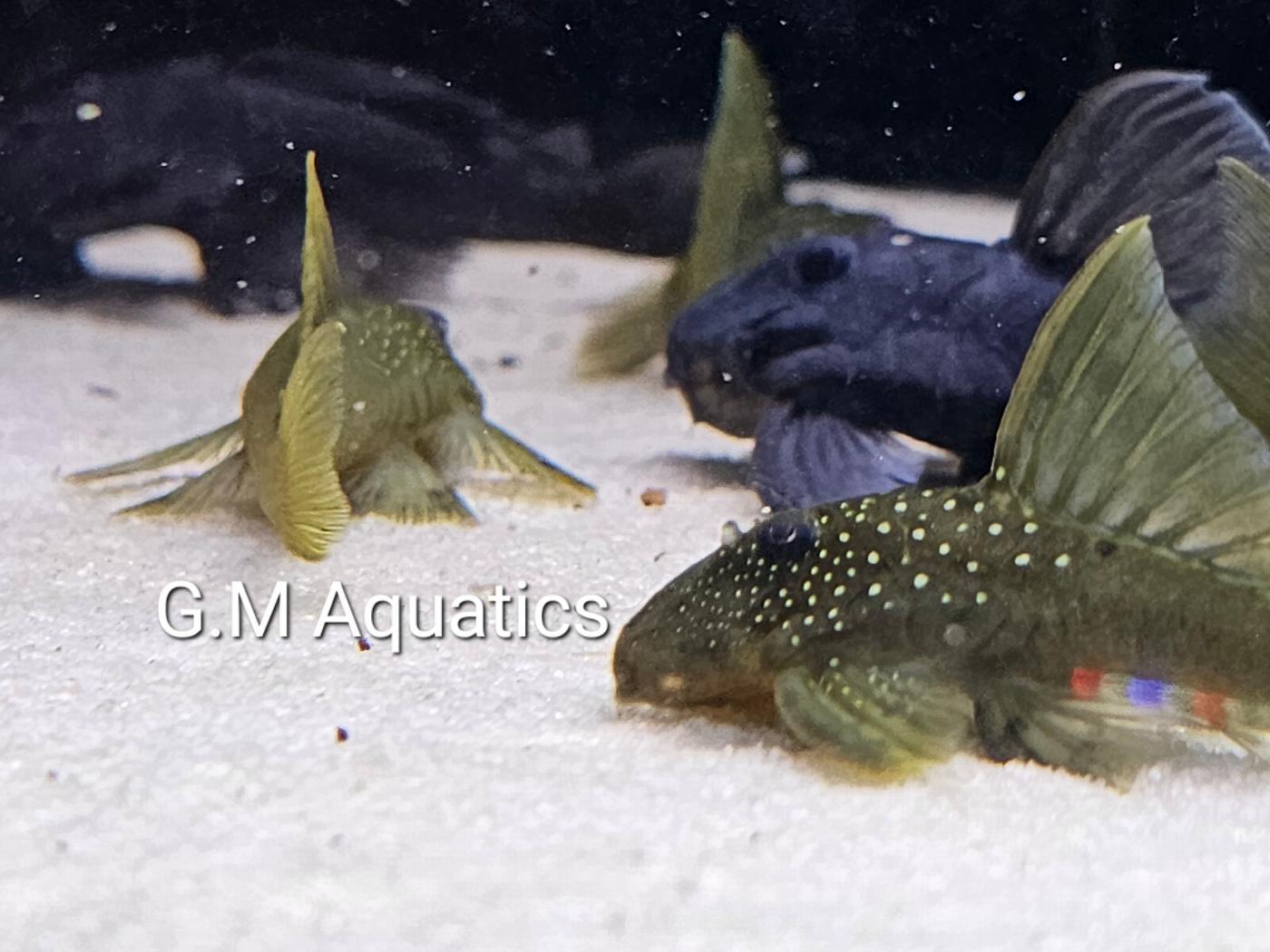
The Green Phantom Plec is a stunning bright green-yellow suckermouth catfish, suitable for large, matures of water aquaria. In the wild, they are found in the cracks/interstices between granite rocks amongst fast-flowing waters. These fish therefore require decent current and a good level of oxygenation within the home aquarium, particularly important when maintaining these fish at the top of their preferred temperature range. Provide plenty of rockwork and create numerous shady caves for the fish to hide amongst. Try to ensure that the strongest areas of current flow through these hiding places, as this would be where these fish reside in their natural environment. Bogwood is not strictly necessary, although it may make the tank look more aesthetically pleasing. Larger specimens will uproot plants, so if these are desired, opt for robust species such as Anubias or Java Fern as these can be attached to the decor. A powerful filtration system is recommended as these fish, like other Loricariids, produce a lot of waste. Tankmates for the mid level of the tank could include some ofthe medium-sized characins e.g. silver dollars (Metynnis sp.), Hyphessobryconsp., Semaprochilodus sp. etc. Ifkeeping more than one Green Phantom Plec, or if keeping together with otherLoricariid species, ensure that the tank is spacious and that there is an abundance of visual barriers amongst the décor, as these fish can beterritorial. Loricariids found to be living sympatrically with Hemiancistrus subviridis include Hypancistrus contradens, L091 (Leporacanthicus triactis), L106 (Hemiancistrus guahiborum), L129 (Hypancistrus debilittera), L201 (Hypancistrus sp.), L239 (Baryancistrus beggini), L240 (Leporacanthicus cf. galaxias), and L257 (Pseudolithoxustigris). Ensure that the fish have been rested after import and that they are feeding well before purchase, as they can sometimes be a little sensitive to the shipping process. The body color and size/distribution of the spots can vary depending on collection location; the darker forms have been collected from the northern part of the range, with the fish becoming progressively lighter as the river wends its way south. At the very northernmost part of the range, this species appears to be displaced by the Blue Phantom Plec L128. To add to the confusion, another Green Phantom Plec (Baryancistrusdemantoides), which is also known as L200, is found at the confluence ofthe Rio Orinoco and Rio Ventuari. H.subviridis lacks a connective membranous tissue between the dorsal and adipose fins, whilst the dorsal and adipose are connected in B. demantoides. The latter is also sometimes imported under the Hifin Green Phantom nametag, as it sports a slightly larger,more shark-like dorsal fin.