Description
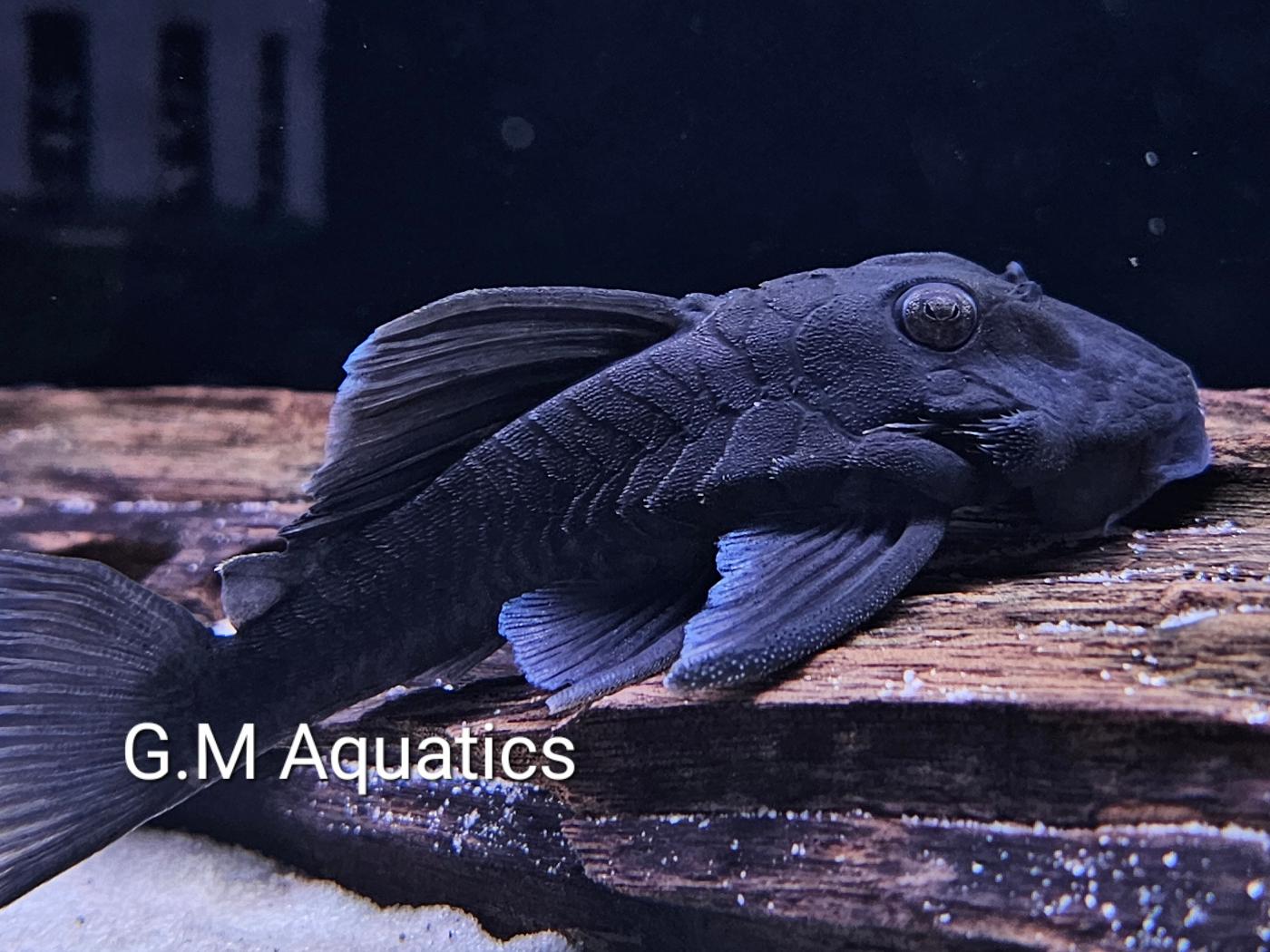
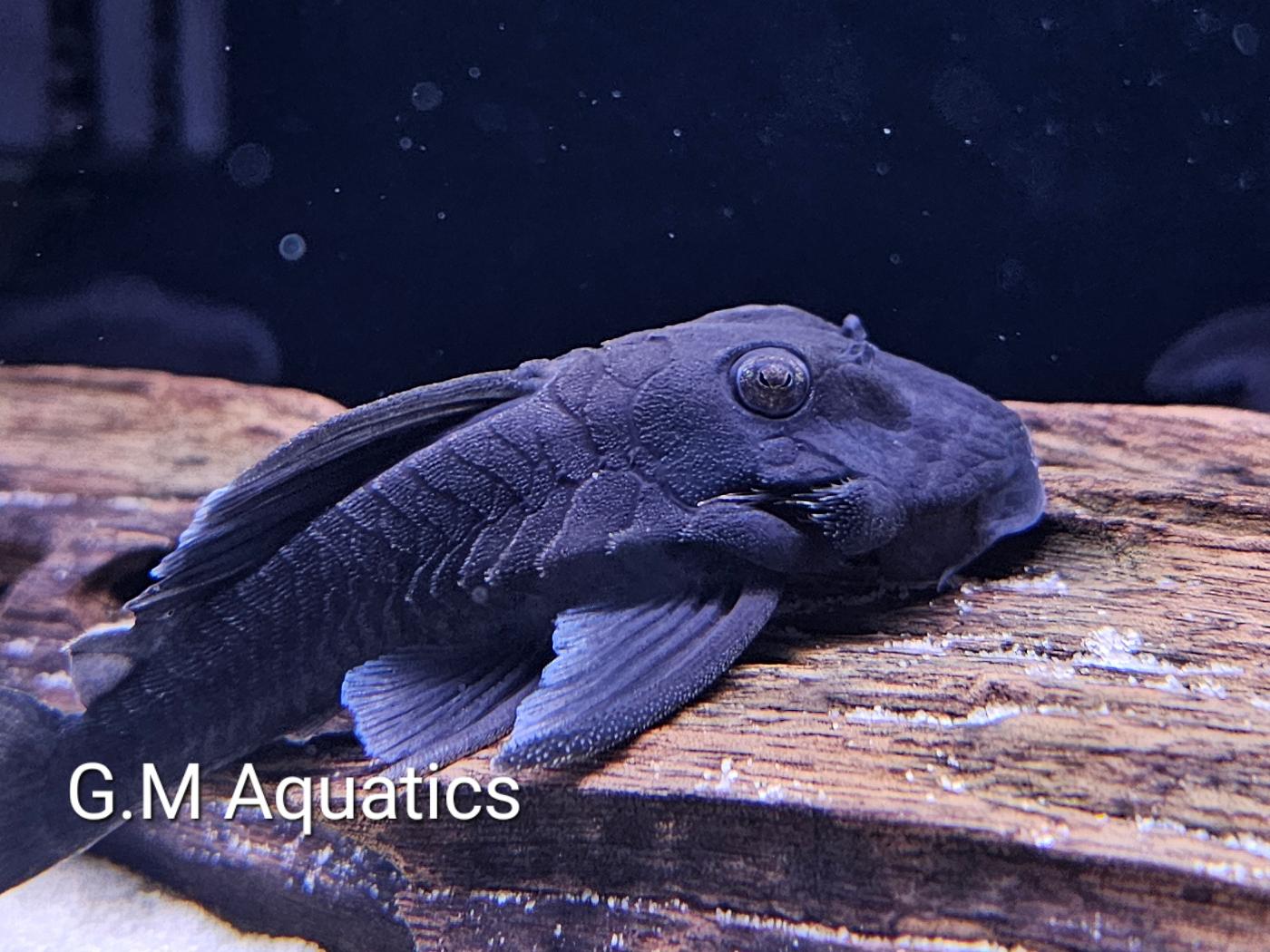
Baryancistrus beggini
The Blue Panaque is known from the confluence of the RÃo Ventuari and the RÃo Orinoco in Venezuela, and lower portions of the RÃo Guaviare in Colombia. These beautifully coloured suckermouth catfish are found amongst the interstices of granite bedrock and boulders that line the waterways, where they feed on periphyton and associated microfauna that are abundant on the surfaces of the rocks. The water in these areas is forced past the rocks at speed and is highly saturated with oxygen. An aquarium for these fish should be mature, with a soft sand substrate and various pieces of smooth rockwork and bogwood arranged to create lots of shady caves and crevices. There should be brisk water movement and a high level of oxygenation, perhaps provided by a river-tank manifold or powerheads (in addition to the current generated by the filtration). These small, shy bottom-dwellers require warmer than average water temperatures, and will not do well below 25 °C. However, do remember that the warmer the water, the more important it is to ensure a higher level of oxygenation (perhaps letting the return from filters sit above the water line so that filtered water being returned to the tank splashes down onto the water’s surface and incorporates more oxygen). Blue Panaques can be quite territorial, so in smaller quarters, it is best to keep just one per tank and not with any similar species. However, if the aquarium is much more specious, several Blue Panaques can be kept together providing that there is an abundance of visual barriers amongst the decor, with more than one cave made available for every fish. Companions should ideally occupy the middle and upper levels, be reasonably peaceful, and be able to thrive in warm, soft water with decent current e.g. some of the smaller characins. Although these fish prefer a diet high in vegetable matter, they will not make any real impact on nuisance algae and must be offered a varied diet (see below). When they are actively grazing, they are actually searching for their natural food source – aufwuchs – which is a type of algae biofilm that contains small invertebrate life. Robust aquarium plants are rarely eaten, but larger fish, in their ongoing search for food items, may possibly uproot newly planted specimens that haven’t yet anchored well in to the substrate; a solution to this is to cultivate species on bogwood, such as Java Fern (Microsorum spp.) or Anubias spp. Ensure that regular partial water changes are carried out as these catfish produce a fair amount of waste and will not tolerate an elevated nitrate level. Although the common name of these fish would suggest that they are a type of Panaque, this is slightly misleading as they have been tentatively placed in the Baryancistrus genus. The Blue Panaque name was commonly used by exporters for a number of years prior to the formal description of these fish, and seems to have stuck. To this effect, these fish may also be seen on sale as L239 Blue Finned Panaque, despite them not being true Panaques. Recommended for mature aquaria and experienced aquarists only.